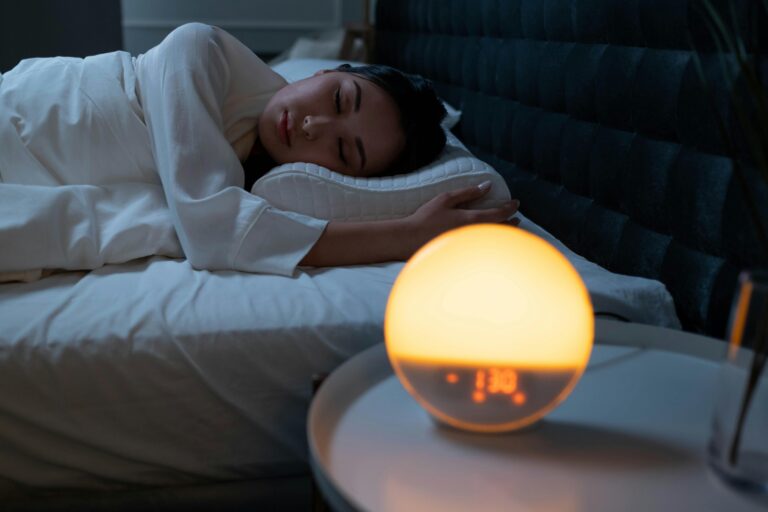
Sleep and wellness. Sleep matters, but it is not a personal virtue or a test of discipline. Work hours, caregiving, pain, disability, health conditions, medication, housing, noise, and safety can all shape when and how someone sleeps.
Sleep And Wellness: quick answer
Sleep and wellness guidance should separate useful population evidence from personal diagnosis.
Sleep supports attention, learning, mood, and physical health. Healthy sleep is not one number: duration, regularity, timing, quality, and daytime alertness all matter. Most healthy adults should regularly get at least seven hours, but needs vary with age, health, and circumstances. Practical habits can help, yet persistent symptoms or dangerous sleepiness need professional attention, not more self-discipline.
Sleep And Wellness: what sleep contributes to wellness
Sleep and wellness research can inform choices without predicting exactly how one night affects one person.
Sleep gives the brain and body time for functions that support waking life. The National Heart, Lung, and Blood Institute links insufficient or poor-quality sleep with trouble focusing, reacting, learning, and getting through daily activities. These are population and research findings, not a way to predict exactly how one short night will affect one person.
Over time, sleep duration and quality are also associated with physical and mental health. The CDC overview of sleep describes benefits of getting enough sleep and distinguishes sleep quality from the number of hours slept. That distinction matters. A long period in bed can still include delayed sleep, repeated waking, or sleep that does not feel refreshing.
Sleep can also influence the choices available to you the next day. Fatigue may make planning, cooking, movement, or a difficult conversation feel harder. It does not prove that a particular food choice, missed workout, mood, or health condition was caused by sleep. Reviews have found links between sleep and dietary patterns, but much of that evidence is observational and cannot explain one person’s choices. See the systematic review of sleep and ultra-processed food intake for the limits as well as the findings.
For detailed food planning, use the guide to realistic nutrition habits. For movement that fits ordinary days, see everyday movement for health. Neither page asks sleep to do the other job.
Sleep And Wellness: how much sleep do adults need?
Sleep and wellness needs vary, so adult duration guidance is a starting point rather than one exact prescription.
The American Academy of Sleep Medicine and Sleep Research Society consensus statement says adults should regularly sleep seven or more hours per night to support health. It also says that more than nine hours may be appropriate for young adults, people recovering from sleep debt, and people with illnesses. The statement does not prescribe one exact duration for every adult.
Age matters. The CDC age-based guidance lists seven or more hours for adults ages 18 to 60, seven to nine hours for ages 61 to 64, and seven to eight hours for adults 65 and older. Individual sleep need, health, pregnancy, recovery, medication, and daily demands can change what feels sufficient.
Three terms often get mixed together:
- Time in bed is the period between getting into bed and getting out. It may include reading, trying to fall asleep, waking during the night, and time awake in the morning.
- Sleep opportunity is the time and setting available for sleep. It can be shortened by work, care duties, housing conditions, pain, safety concerns, or another constraint.
- Estimated sleep duration is the amount of time you believe you were actually asleep, including sleep across a 24-hour period when relevant.
A methodological review of sleep questions found that studies use different definitions for bedtime, sleep onset, waking, and duration. That is one reason a simple bedtime-to-alarm calculation can overstate how long someone slept.
Sleep And Wellness: duration, regularity, timing, quality, and daytime function
Sleep and wellness includes duration, regularity, timing, quality, continuity, and daytime function.
Sleep health has several related parts. None should be used to erase the others.
| Part of sleep health | What it means | A useful question |
|---|---|---|
| Duration | Estimated time actually asleep across the relevant period | Am I getting enough sleep for my age, health, and daily function? |
| Regularity | How much sleep and wake timing varies from day to day | Is variation working for me, or is it creating a problem I can change? |
| Timing | When sleep happens within the day and night | Does my sleep period fit my schedule and natural sleepiness when I have a choice? |
| Quality and continuity | How refreshing sleep feels and whether it is repeatedly interrupted | Am I waking often, struggling to return to sleep, or waking unrefreshed? |
| Daytime function | Alertness, unintended sleep, concentration, and ability to do daily tasks safely | Am I dangerously sleepy or falling asleep without intending to? |
Research increasingly studies duration, regularity, timing, and quality together. That does not establish that timing is more important than duration, that one wake time works for everyone, or that regular but insufficient sleep is adequate. People with rotating shifts, on-call work, caregiving, health conditions, or limited schedule control may not be able to keep the same pattern every day.
Sleep And Wellness: a practical sleep-support table
Sleep and wellness options should match the barrier, access need, schedule, and safety context.
Pick the option that fits the barrier. You do not need to use every row.
| Common barrier | Adaptable option to consider | Safety or access check |
|---|---|---|
| Not enough sleep opportunity | Look for one change that protects more time for sleep, such as sharing a care task, changing a late obligation, or asking about a schedule adjustment | Do not frame an unsafe workload, inadequate staffing, or care gap as a routine failure |
| Irregular or changing work hours | Plan sleep around the actual roster, protect the main sleep period where possible, and use planned rest only when it is safe and workable | Shift workers may need advice that differs from daytime workers; avoid copying a fixed daytime schedule |
| Light makes it harder to settle or stay asleep | Reduce unwanted light, use an eye mask if comfortable, or adjust curtains or device brightness | Keep paths visible enough to move safely; consider vision needs, fall risk, children, and care duties |
| A screen keeps extending bedtime | Separate the useful function from the disruptive part: stop work messages, choose less stimulating content, set a stopping cue, or move only the activity that keeps you awake | A phone may be needed for accessibility, alarms, safety, caregiving, or on-call work |
| Caffeine may be affecting sleep | Notice the amount, source, and timing, then test an earlier last serving if that is safe for you | Sensitivity varies. Do not abruptly change a medically relevant routine without qualified advice |
| Alcohol is being used to feel sleepy | Notice whether it is followed by waking or less refreshing sleep and consider a non-alcohol wind-down option | Alcohol and medications can interact. Ask a qualified professional when unsure |
| Noise, pain, heat, cold, or shared space | Change what you can: bedding, position, ear protection that is safe for you, a fan, white noise, a conversation about shared routines, or another sleep location | There is no universal bedroom temperature. Account for pain, disability, hearing needs, children, pets, alarms, and housing limits |
| Thoughts or unfinished tasks keep returning | Write down the task, choose a low-demand activity, or try a relaxation method you already find tolerable | Meditation and journaling are optional, not treatments that work for everyone |
| Naps affect the next sleep period | Adjust the timing or length, or skip the nap if that helps you and is safe | Night workers, people with split sleep, and dangerously sleepy people need different decisions |
| Exercise timing feels difficult | Keep movement at a time that fits your body and schedule, then notice whether a specific session affects your sleep | Pain, disability, recovery, and medical guidance come first; do not sacrifice needed sleep for a workout |
Sleep And Wellness: light and screens are not the same issue
Sleep and wellness discussions should separate light timing from the many ways screens can extend or interrupt a night.
Light exposure can affect circadian timing, but the direction and size of the effect depend on when, how bright, how long, and a person’s prior light exposure. A systematic review of light timing in adults found that timing changes the relationship between light and sleep outcomes. This is not a universal order to get bright light at one fixed clock time.
Screens add other factors: time displacement, work demands, alerts, sound, emotional content, and interaction. An expert consensus review on screen use and sleep across the lifespan did not reach consensus that pre-bed screen light or content impairs adult sleep health. So “blue light is the problem” is too simple.
If a device is extending the night, try changing the part that matters. That may mean dimming it, turning off work alerts, choosing calmer content, setting an end point, or using audio instead. You do not need to ban every screen or keep your phone in another room. For a separate experiment with a full day away from nonessential phone use, see the 24-hour digital detox guide.
Sleep And Wellness: caffeine, alcohol, environment, movement, and naps
Sleep and wellness choices around caffeine, alcohol, movement, environment, and naps depend on dose, timing, context, and individual response.
Caffeine can affect later sleep, and both dose and timing matter. A 2023 systematic review and meta-analysis found that caffeine reduced subsequent total sleep time on average across the included studies. It also reported wide variation in caffeine metabolism. Instead of a universal cutoff, notice your source, dose, timing, and response.
Alcohol may make someone feel sleepy at first while changing later sleep. A systematic review and meta-analysis of alcohol and subsequent sleep found dose-related changes in healthy adults under controlled conditions. That does not mean every drink produces the same effect for every person. Do not use alcohol as a sleep treatment, and check medication interactions with a qualified professional.
A bedroom can be quieter, darker, cooler, or warmer according to preference, health, season, housing, and safety. The NHLBI healthy sleep habits page suggests a quiet, cool, dark environment, while also noting that habits do not replace evaluation for ongoing sleep problems. Treat those as options, not a fixed temperature prescription.
Movement and sleep can support each other, but the best timing and type differ. If late activity leaves you alert, try moving it earlier. If evening is the only accessible time and it does not bother your sleep, there is no need to invent a problem. Naps can help some people and make nighttime sleep harder for others. Shift workers may use planned naps differently from daytime workers.
Sleep And Wellness: shift work, on-call duties, caregiving, and limited schedule control
Sleep and wellness advice for shift workers must start with the schedule they actually work.
Advice built around a fixed nighttime schedule excludes many adults. The Canadian Centre for Occupational Health and Safety describes shift work as a work-design issue with individual and organizational considerations. Its guidance includes scheduling, breaks, rest, food access, and safe travel, not just bedtime habits.
If your hours change:
- Protect a main sleep period when you can, but do not assume it must happen at night.
- Plan light and darkness around the sleep period you actually use, not someone else’s clock.
- Reduce interruptions that are within your control, while recognizing that caregiving, shared housing, and on-call duties may make this impossible.
- Ask about roster design, adequate rest, workload, staffing, and transport safety where those are workplace issues.
- Do not start melatonin, a supplement, or a sleep medication based on a general article. Timing, side effects, product quality, conditions, and medication interactions need qualified guidance.
A routine cannot create staffing, quiet housing, care coverage, pain control, safety, or medical treatment. If the barrier is structural, the response needs to include structural support.
Sleep And Wellness: what personal sleep habits cannot fix
Sleep and wellness habits cannot diagnose or treat persistent symptoms or a sleep disorder.
Sleep habits may help with a modifiable barrier. They cannot diagnose or treat sleep apnea, insomnia disorder, restless legs syndrome, a circadian rhythm sleep-wake disorder, depression, anxiety, chronic pain, medication effects, or another condition.
Speak with an appropriate healthcare professional if you have persistent trouble falling or staying asleep, loud snoring or gasping, excessive daytime sleepiness, unintended sleep episodes, uncomfortable urges or sensations in the legs at rest, safety impairment, or a sleep concern affecting daily life. The NHS sleep apnoea guidance lists loud snoring, breathing that stops and starts, gasping, and daytime tiredness as reasons to seek assessment. The NHS restless legs guidance describes an urge to move the legs with uncomfortable sensations that are often worse at rest.
Do not stop or change medication on your own because it might affect sleep. Discuss the medicine, dose, timing, and alternatives with a pharmacist, prescriber, or another qualified professional.
Sleep And Wellness: dangerously sleepy means stop the hazardous activity
Sleep and wellness safety comes before productivity when someone is dangerously sleepy.
Do not drive or operate machinery when you are dangerously sleepy. If sleepiness appears during a hazardous activity, stop as soon as it is safe, move to a safe place, and seek local help or another way home as appropriate. Coffee, loud music, cold air, or opening a window does not make unsafe driving safe. The NIOSH drowsy-driving guidance advises stopping driving or another critical activity when drowsy.
If there is immediate danger, use local emergency or roadside help appropriate to the situation.
Sleep And Wellness: a short workplace boundary
Sleep and wellness at work also depends on scheduling, workload, staffing, breaks, and safe travel.
Employers cannot solve sleep and fatigue risk with wellness activities while keeping excessive workload, unsafe schedules, inadequate staffing, inaccessible breaks, harassment, low control, or poor leave. They should not monitor or infer an employee’s sleep, health, impairment, or risk from wellness participation.
The World Health Organization’s mental health at work guidance puts organizational changes to working conditions alongside individual support. For the broader employer lane, use Fegud’s workplace mental-health strategy guide.
Sleep And Wellness: frequently Asked Questions
Sleep and wellness should stay flexible, safe, and appropriate to the individual context.
Sleep and wellness does not require one ideal bedtime for every adult.
Sleep and wellness cannot be measured by time in bed alone.
Sleep and wellness guidance should leave room for caregiving, disability, pain, housing, and medication.
Sleep and wellness concerns that affect safety need qualified care.
How does sleep affect health and wellness?
Sleep supports attention, learning, reaction time, mood, and physical health. Research also links habitual sleep patterns with longer-term health outcomes, but an association does not prove that sleep caused a condition in one person. Duration, regularity, timing, quality, and daytime function all deserve attention.
How much sleep do most adults need?
Current AASM and SRS consensus says adults should regularly sleep seven or more hours per night. CDC ranges vary by age. This is guidance for populations, not a universal prescription. Some people may need more, and health, recovery, pregnancy, medication, and individual variation can matter.
Is seven hours in bed the same as seven hours of sleep?
No. Time in bed can include reading, trying to fall asleep, waking during the night, and time awake before getting up. Sleep opportunity is the time available for sleep. Estimated sleep duration is the time you think you were actually asleep.
Is sleep timing more important than sleep duration?
No single dimension should automatically outrank the others. Duration, timing, regularity, quality, continuity, and daytime alertness describe different parts of sleep health. A regular schedule does not make too little sleep adequate, and enough hours do not rule out fragmented sleep or a sleep disorder.
Do adults need the same bedtime and wake time every day?
Not everyone can or should follow one fixed schedule. Regularity can be useful, but work shifts, caregiving, pain, disability, health, chronotype, housing, and social obligations matter. Aim for a workable pattern when you have control, without turning weekend variation or an unpredictable week into a failure.
Should I stop using screens before bed?
Not necessarily. Adult evidence does not support treating every screen as equally disruptive. Notice whether light, alerts, work, stimulating content, or lost time is the issue. Adjust that part while keeping accessibility, safety, caregiving, and on-call needs in view.
What sleep tips help shift workers?
Start with the roster you actually work. Protect the main sleep period where possible, plan light and interruptions around that period, and consider safe planned rest. Workplace scheduling, workload, breaks, staffing, and travel safety also matter. A fixed daytime-worker routine may not fit.
When should I see a healthcare professional about sleep?
Seek appropriate care for persistent trouble sleeping, loud snoring or gasping, excessive daytime sleepiness, unintended sleep episodes, restless-leg symptoms, safety impairment, or any sleep concern affecting daily life. A professional can review symptoms, health conditions, medications, work patterns, and whether further assessment is appropriate.
Can sleep habits treat insomnia or sleep apnea?
General habits may support sleep, but they do not diagnose or treat a sleep disorder. Do not use a wellness article to label yourself or someone else. Persistent symptoms, breathing concerns, or daytime impairment need assessment by an appropriate healthcare professional.
Is melatonin or another supplement a good first step?
Not automatically. Timing, dose, product quality, side effects, health conditions, pregnancy, age, and medication interactions matter. Ask a qualified pharmacist, prescriber, or other healthcare professional before using a supplement for sleep, and do not replace assessment of persistent symptoms with a product.
If guilt about stopping is the main problem, read how to rest without guilt.
Sources
- CDC: About Sleep
- American Academy of Sleep Medicine and Sleep Research Society: Recommended Amount of Sleep for a Healthy Adult
- National Heart, Lung, and Blood Institute: Sleep Deprivation and Deficiency
- National Heart, Lung, and Blood Institute: Healthy Sleep Habits
- Methodological review: Self-reported sleep duration and timing
- Systematic review: Light timing and adult sleep outcomes
- National Sleep Foundation consensus: Screen use and sleep across the lifespan
- Systematic review and meta-analysis: Caffeine and subsequent sleep
- Systematic review and meta-analysis: Alcohol and subsequent sleep
- Canadian Centre for Occupational Health and Safety: Shiftwork
- NHS: Sleep apnoea
- NHS: Restless legs syndrome
- NIOSH: Drowsy driving
- World Health Organization: Mental health at work