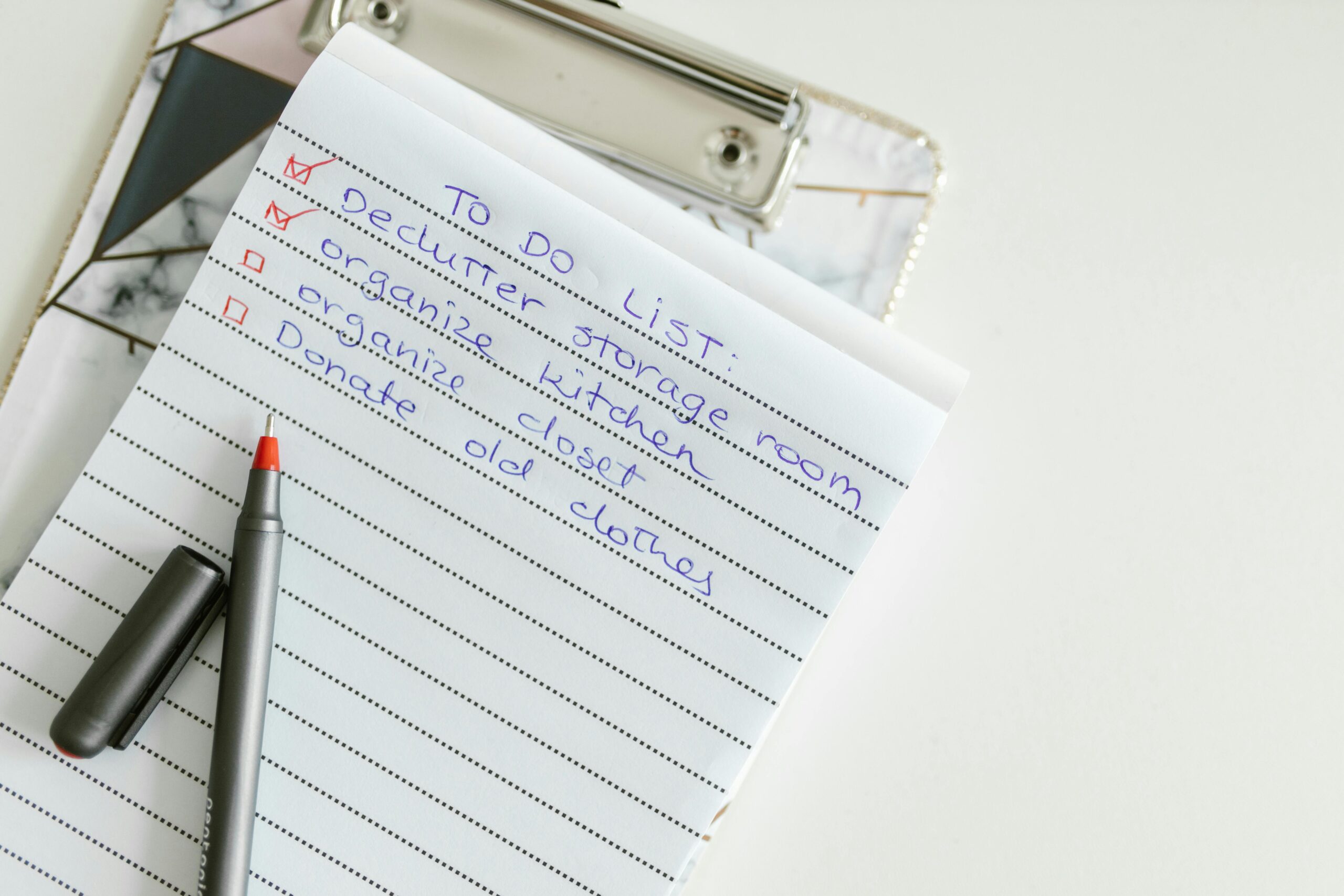
The biggest barrier to self-care is not motivation. It is the belief that it has to take a long time to count. These eight 5-minute self-care activities are backed by research, require no equipment, and fit into the gaps that already exist in your day. Each one is also a Fegud bingo square, so if you are already running the monthly challenge, you are doing more than you think.
Here is the lie most of us have absorbed about self-care: that it requires a cleared schedule, a spa appointment, or at least an uninterrupted hour on a Sunday morning. That if you cannot do it properly, you might as well not do it at all.
That belief is the real barrier. Not lack of motivation, not lack of discipline. The bar has been set so high that most people disqualify themselves before they even start.
The truth is that 5-minute self-care activities can genuinely move the needle on how you feel. Not because five minutes is all you need, but because something done consistently beats something perfect that never actually happens. A five-minute practice done three times a day adds up to more than most people’s one hour on the weekend.
This article covers eight of them: what they are, why they work, and how to build them into the day you already have.
Why Five Minutes Is Enough to Change How You Feel
Before the list, one important point. Five-minute self-care is not a replacement for sleep, proper rest, movement, or meaningful connection. It is a bridge. It is what keeps the thread of self-care alive on the days when everything else is competing for your attention.
A five-minute practice sends a signal to your nervous system that you exist outside your to-do list. That you are a person, not just a function. That signal accumulates. Over days and weeks, those small acts of attention toward yourself add up to a genuinely different relationship with your own wellbeing.
That is not a small thing. That is the whole point.
1. Step Outside Without Your Phone
Time required: three to five minutes.
Not a walk. Not exercise. Just out. Stand in natural light, feel the temperature, breathe air that has not been recycled through a building for the past six hours.
Exposure to natural light resets your circadian rhythm, lowers cortisol, and improves mood. The research on this is consistent and the effect is fast. Most people can feel it within a few minutes. The key is leaving the phone inside. Even a brief break from screen stimulation interrupts the continuous input loop that quietly grinds people down through the afternoon.
Do this at lunch, between meetings, or the moment you feel tension settling into your shoulders. It costs nothing and requires nothing except stepping through a door.
2. Make Something Hot and Drink It Slowly
Time required: five minutes.
Tea. Coffee. A warm mug of anything. The ritual matters as much as the drink itself.
The act of making something (boiling water, watching it steep, holding a warm cup with both hands) is inherently slowing. Studies on mindfulness suggest that brief sensory rituals involving warmth activate the parasympathetic nervous system, which shifts the body out of stress mode. The physical warmth of holding a cup has a measurable calming effect on its own.
The rule is simple: drink it without doing anything else at the same time. No email open. No podcast playing. Just the mug and five minutes. That is the entire practice.
3. Write Three Sentences About Your Day
Time required: three to five minutes.
Not journaling in the traditional sense. No prompts, no emotional archaeology, no pressure to produce insight. Just three sentences: what happened, how something felt, what you noticed.
The act of externalising thoughts (moving them from inside your head to somewhere outside it) reduces cognitive load and interrupts rumination. You are not solving anything. You are simply giving the day somewhere to go other than your nervous system.
Even a nothing day has three sentences in it. “Back-to-back calls all morning. Ate lunch at my desk again. The light coming through the window at 4pm was actually nice.” That is enough. The habit is the point, not the content.
This is one of the most popular Fegud bingo squares for a reason. It takes almost no time and consistently shows up as a high-completion activity across teams.
4. One Minute of Deliberate Breathing
Time required: one to two minutes.
The research on controlled breathing is more robust than a lot of wellness trends that get far more attention. Slow, diaphragmatic breathing (where the exhale is longer than the inhale) directly activates the vagus nerve and shifts the autonomic nervous system toward calm. The effect is measurable and it happens fast.
You do not need an app. Breathe in for four counts, hold for two, out for six. Repeat for one minute. Most people feel a shift within the first three or four cycles.
The reason this works is that breathing is both involuntary and voluntary. You can interrupt a stress response by taking conscious control of the breath. Your body follows. That is a genuinely powerful tool that requires nothing except a moment of attention.
5. Send the Message You Have Been Meaning to Send
Time required: two to three minutes.
Not a work email. A personal one. The check-in with someone you miss. The response you have been meaning to send for two weeks. The “I saw this and thought of you” that you thought about and then forgot.
Connection is self-care. The research on social connection and health outcomes is unambiguous: it affects everything from immune function to how long we live. But there is also a smaller, more immediate effect worth naming. The guilt of the unmade call or the unsent message is a low-grade stressor that compounds quietly. Clearing it (even with two sentences) reduces that load.
You have probably also just made someone’s day. That matters too.
6. Stretch One Part of Your Body That Needs It
Time required: three to five minutes.
Not a full routine. Just one thing. Roll your neck. Stretch your hip flexors for thirty seconds on each side. Open your chest if you have been hunched over a desk. Roll your wrists if you have been typing.
Chronic sitting creates chronic tension in predictable places: hips, lower back, shoulders, neck. These areas do not need a yoga class. They need consistent, brief attention. Addressing one of them for five minutes disrupts the accumulation pattern and sends your body a signal that you noticed it.
Hip flexors in particular are worth mentioning. They shorten from sitting, which pulls the pelvis forward, contributes to lower back pain, and affects posture over time. Stretching them daily for thirty seconds each side is a genuinely high-return investment in how your body feels across the week.
7. Look at Something That Has Nothing to Do With Work
Time required: five minutes.
A photo that makes you happy. A plant. Out a window. A short video that makes you laugh. A piece of art near your desk that you normally walk past without stopping.
Mental rest does not require sleep. It can come from genuine novelty or pleasure: exposure to something that shifts your brain away from its current channel, even briefly. Five minutes of something that makes no demands on you is restorative in a way that is easy to underestimate.
This is not procrastination. It is a deliberate break from cognitive load, which is exactly what makes the next hour of focused work possible.
8. Tidy One Small Thing
Time required: five minutes.
One corner. One surface. One drawer. Not the whole house, and not even the whole room. Just one defined, completeable task.
The relationship between physical environment and mental state is well documented. Clutter increases cortisol. But the act of tidying itself (the sense of control, the visible before-and-after) has its own calming effect that goes beyond just having a cleaner space. It is one of the few things that is simultaneously productive and genuinely restorative.
The important word is small. Pick something you can finish in five minutes. The completion is the point. A half-tidied room is not the goal. A finished drawer is.
How These Activities Connect to the Fegud Challenge
Every one of these eight practices appears in the Fegud monthly self-care bingo challenge. That is not a coincidence. The challenge was built around activities that are short enough to do on a hard day, meaningful enough to feel worth doing, and varied enough to address different dimensions of wellbeing: physical, mental, emotional, and social.
The bingo format works especially well for 5-minute self-care activities because it removes the pressure of doing everything perfectly. Some days you do the breathing. Some days you send the message. Some days you step outside. Each square you complete is a genuine act of self-care, and the month accumulates into something real.
For more on how to build these small practices into a routine that actually sticks, read our guide on why a paper bingo card works better than any wellness app and why the format makes consistency easier than most people expect.
Join the free Fegud self-care bingo challenge and get your first personalised card this month.
Bringing 5-Minute Self-Care to Your Team
For HR teams, the value of short, accessible self-care activities is not just individual. It is cultural.
When employees have a shared framework for self-care (a monthly bingo card with activities they chose themselves) the five-minute practices become something the team does together rather than something individuals try to squeeze in alone. People compare notes. They share completions in the team feed. They ask each other how the journaling went or whether the breathing exercise actually worked.
That social layer is what separates a wellness programme that sticks from one that quietly disappears by week three.
Fegud for Teams delivers personalised bingo cards to every employee’s phone, gives HR real-time participation data by department, and produces monthly reports for leadership. Setup takes 30 minutes. No wellness coordinator required. Explore Fegud for Teams.
Frequently Asked Questions
What counts as a 5-minute self-care activity?
Any practice that takes five minutes or less and intentionally addresses your physical, mental, emotional, or social wellbeing. The key word is intentional. Scrolling your phone for five minutes is not self-care. Stepping outside without your phone for five minutes is. The difference is whether the activity restores something or simply passes time.
Can five minutes of self-care actually make a difference?
Yes, and the research supports it. Brief sensory rituals lower cortisol. One minute of controlled breathing activates the vagus nerve and shifts the nervous system toward calm. Even a short burst of natural light resets circadian rhythms. Five minutes done consistently produces measurably different outcomes than waiting for the perfect hour that rarely arrives.
How do I remember to do self-care activities during a busy workday?
Attach them to things you already do. Make tea every morning? That is your five-minute ritual window. Eat lunch? Step outside first. Finish your last meeting? Write three sentences before opening the next task. The habit stacking approach (linking a new behaviour to an existing one) removes the need to find time you do not have. The Fegud bingo challenge also helps by giving you a visual reminder on your phone or desk throughout the month.
Which 5-minute self-care activity is most effective?
It depends on what you are actually depleted in. If you are mentally overstimulated, the breathing or the deliberate break from screens will do the most. If you are physically tense from sitting, stretching will. If you are feeling disconnected, the message you send to someone matters most. The most effective practice is the one that addresses what is actually running low for you right now.
How does Fegud make self-care easier to maintain?
Fegud delivers a personalised monthly bingo card to each employee’s phone with activities chosen based on their focus areas and difficulty preference. The bingo format means there is no streak to protect and no punishment for missing a day. The team feed creates a social layer that makes the challenge feel shared rather than solitary. HR admins get real-time participation data and monthly reports. Individual users can join the free challenge here.