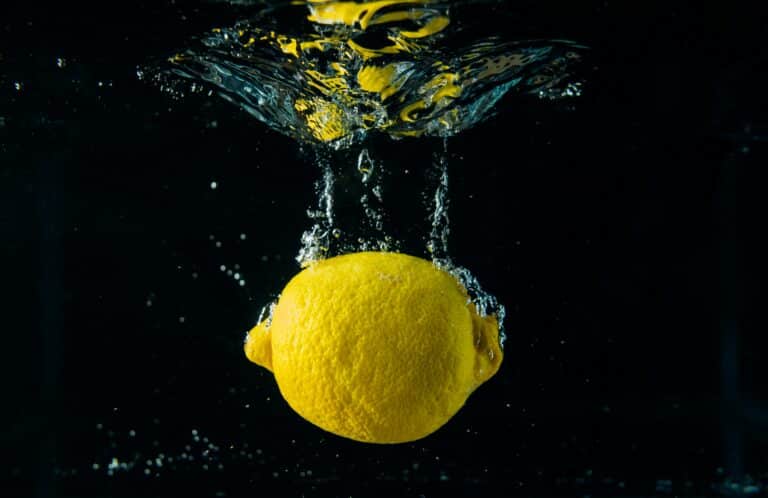
Lemon water does not need a wellness routine around it. It is water with lemon added for flavor. The useful question is not how many glasses will produce a health result. It is how much lemon tastes good to you without irritating your teeth, mouth, or digestive system.
Quick answer
There is no medically recommended universal amount of lemon water or lemon juice to drink each day. Lemon water can count toward your fluids, but total fluid needs vary. If you like it, use a small amount of lemon for flavor, adjust to comfort, and choose plain water if it causes tooth sensitivity, mouth irritation, or reflux.
Separate two questions: water and lemon
Your total fluid need and your preferred amount of lemon are not the same thing.
Fluid needs vary with health, age, body size, activity, climate, pregnancy, and breastfeeding. Fluids also come from other drinks and food. Mayo Clinic’s current water guidance explains that some people need less fluid and others need more, and that health conditions can change the advice.
None of that creates a daily lemon requirement. A general total-water figure should not be converted into a target number of lemon-water glasses. Lemon water is one optional flavored drink within total fluid intake.
How much lemon juice should you put in water?
No authoritative source reviewed for this article establishes one preparation ratio for everyday use. The amount can vary with taste, the size and acidity of the fruit, and whether you use a slice or squeezed juice.
A practical decision is simple:
- Add only enough lemon to flavor the water.
- Taste it before adding more.
- Reduce the lemon or stop if it stings your mouth, worsens heartburn, or makes your teeth feel sensitive.
- Keep some of your drinks plain water, especially if you tend to sip over long periods.
This is preference guidance, not a starting dose or an upper limit. More lemon does not turn the drink into a treatment.
Simple ways to prepare lemon water
| Option | How it changes the drink | What to keep in mind |
|---|---|---|
| Lemon slice or wedge | Adds lighter flavor that can strengthen over time | Wash the whole lemon before cutting it |
| Squeezed lemon juice | Gives a more even, stronger flavor | Use an amount that tastes comfortable rather than chasing a target |
| Prepared bottled lemon juice | Offers convenience and a consistent product | Check the label for ingredients and follow storage directions |
| Plain water | Adds no citrus acid | Often the better choice for prolonged sipping, sensitive teeth, mouth sores, or a reflux trigger |
Water temperature is a preference. There is no need to prescribe warm water, cold water, or a special time before food.
For basic food safety, wash your hands and rinse the whole lemon under running water before cutting or squeezing it. Do not wash produce with soap or detergent. The U.S. Food and Drug Administration’s produce guidance also recommends cutting away damaged areas and keeping produce away from surfaces used for raw meat, poultry, or seafood. Refrigerate a prepared pitcher rather than leaving cut fruit sitting out for long periods.
Protect your teeth from repeated acid exposure
Lemon and lemon juice are acidic. The American Dental Association’s dental erosion guidance says frequent exposure to acidic fruit juice can contribute to progressive, irreversible loss of tooth mineral. The risk is about repeated contact, not a claim that one drink will damage every person’s teeth.
Practical ways to reduce contact include:
- do not swish or hold lemon water in your mouth;
- avoid sipping it continuously across the day;
- rinse your mouth with plain water afterward;
- wait 30 to 60 minutes before brushing after an acidic drink, as advised in this American Dental Association patient guide;
- ask a dentist about tooth sensitivity, visible wear, or an existing erosion risk.
A straw may reduce contact with some tooth surfaces, but it does not eliminate acid exposure or make unlimited sipping safe.
Reflux and other reasons to reduce or stop
Citrus is not a universal problem for everyone with reflux. The National Institute of Diabetes and Digestive and Kidney Diseases says some people with GERD find that acidic foods such as citrus trigger symptoms or make them worse. If lemon water repeatedly brings on heartburn, regurgitation, throat irritation, or stomach discomfort, reduce it or switch to plain water. Discuss persistent symptoms with a healthcare professional.
Citrus can also sting an existing canker sore. HealthLink BC’s canker-sore guidance suggests avoiding citrus fruits or juices when they irritate the sore. Ask a doctor or dentist about sores that keep returning, trouble swallowing, or fever.
Stop drinking it if lemon causes a reaction. Hives, swelling, wheezing, trouble swallowing, or trouble breathing can be signs of a serious allergic reaction that needs immediate medical care, according to the American Academy of Allergy, Asthma & Immunology’s anaphylaxis guidance. Citrus reactions can involve fruit proteins rather than citric acid. The Academy’s citrus-allergy explanation explains that distinction.
If you have a prescribed fluid limit, a condition affected by fluids, a known citrus allergy, or a medication question, ask the clinician or pharmacist who knows your situation. Do not replace a treatment plan, oral rehydration product, or prescribed supplement with lemon water.
What lemon water can realistically do
It can flavor water. That may make it a pleasant alternative to plain water for someone who likes citrus. It also contributes nutrients in amounts that depend on how much lemon juice is actually used.
The nutrient amount is not fixed. For example, Health Canada’s older reference table lists 4 mg of vitamin C in 15 mL of canned or bottled lemon juice, while the current Canadian Nutrient File provides food-specific values and serving conversions. Fresh fruit, bottled products, serving size, and storage can differ. Lemon water should not be treated as a reliable substitute for a varied diet or a supplement prescribed for a deficiency.
For broader food choices and sustainable eating patterns, see realistic nutrition habits. If you want a separate, non-medical self-care activity, you can also use the individual self-care bingo page.
Popular claims versus the evidence limit
| Claim | What the evidence supports here |
|---|---|
| Lemon water has one correct daily dose | No universal lemon-water dose was found. Total fluid guidance is not a lemon prescription. |
| More lemon produces more benefit | More lemon changes flavor, acidity, and nutrient amount. It does not establish a better health outcome. |
| It cleanses the body or removes unwanted substances | No evidence reviewed supports using everyday lemon water as a cleanse. |
| It guarantees better hydration | Lemon water contributes fluid. Whether flavor changes how much a person drinks is individual. |
| It reliably changes body weight | This article found no basis for promising weight change from lemon water. |
| It must be warm or taken in the morning | Temperature and timing are preferences unless a clinician gives person-specific advice. |
| It is a dependable vitamin source | Nutrient contribution varies with the actual lemon product and amount used. |
When plain water is the better choice
Choose plain water when you want to sip for a long time, when acidic drinks make your teeth sensitive, when citrus stings a mouth sore, or when lemon triggers reflux symptoms. Plain water is also the clearer choice when you do not enjoy lemon or when a clinician has given you a specific fluid plan.
There is no health requirement to make every glass more interesting. Water does the fluid job without citrus acid.
Frequently Asked Questions
Is it safe to drink lemon water every day?
Daily use is not automatically right for everyone. The main practical concerns are repeated acid exposure to teeth, individual reflux symptoms, mouth irritation, and allergy. If you choose it, avoid prolonged sipping, rinse with plain water afterward, and stop if it repeatedly causes symptoms.
How many glasses of lemon water should I drink a day?
There is no universal number. Your total fluid needs depend on personal and environmental factors, and that guidance does not specify how many glasses should contain lemon. You can choose lemon water for flavor and use plain water for the rest.
How much lemon juice should I add to water?
No single everyday ratio is medically required. Add only enough to get a flavor you enjoy, then adjust or stop based on comfort. Do not treat a competitor recipe or a general nutrition value as a daily dose.
Is warm lemon water better than cold lemon water?
No evidence reviewed here supports prescribing one temperature for everyday health. Choose the temperature you enjoy and can handle safely. Very hot drinks can burn the mouth, so let them cool before drinking.
Should I drink lemon water before breakfast?
You do not need to. There is no established need for a morning schedule or special timing before food. If lemon worsens heartburn or stomach discomfort at a particular time, switch to plain water and discuss recurring symptoms with a healthcare professional.
Can lemon water damage tooth enamel?
Frequent contact with acidic drinks can contribute to dental erosion. Avoid swishing, holding, or slowly sipping lemon water for hours. Rinse with plain water afterward, wait before brushing, and ask a dentist about sensitivity or visible wear. A straw does not eliminate risk.
Can I drink lemon water if I have acid reflux?
It depends on your triggers. NIDDK lists citrus among foods commonly linked to symptoms for some people with GERD, not as a universal prohibition. Reduce or stop lemon water if it reliably worsens symptoms and ask a healthcare professional about persistent reflux.
Does lemon water provide vitamin C?
It can, but the amount depends on the type and quantity of lemon juice used. Without a measured serving and a matching food-composition record, a precise nutrient claim is not defensible. Treat lemon water as flavored water, not as a guaranteed supplement.
Sources
- American Dental Association: Dental Erosion
- American Dental Association: Do Not Let Dental Erosion Eat Away at Your Enamel
- NIDDK: Eating, Diet, and Nutrition for GER and GERD
- Mayo Clinic: Water, How Much Should You Drink Every Day?
- FDA: Selecting and Serving Produce Safely
- HealthLink BC: Canker Sores
- AAAAI: Anaphylaxis
- AAAAI: Citric Acid and Citrus Allergy
- Health Canada: Canadian Nutrient File 2026
- Health Canada: Nutrient Value of Some Common Foods